

Dubai has long been recognized as a global playground for automotive enthusiasts. From sleek modern supercars to rare, meticulously restored vintage classics, the streets and showrooms of the UAE house some of the world’s most significant automotive history.
However, when the time comes to move these high-value assets across borders — whether for a prestigious car show in Pebble Beach, a relocation to the European countryside, or a sale to an overseas collector — the logistics requirements change dramatically. Exporting a classic car is not just about transportation; it’s about heritage preservation.
In this guide, the experts at Phoenix F&H walk you through the specialized process of moving vintage and classic cars from Dubai to the world.
In This Guide
Why Heritage Logistics Matter
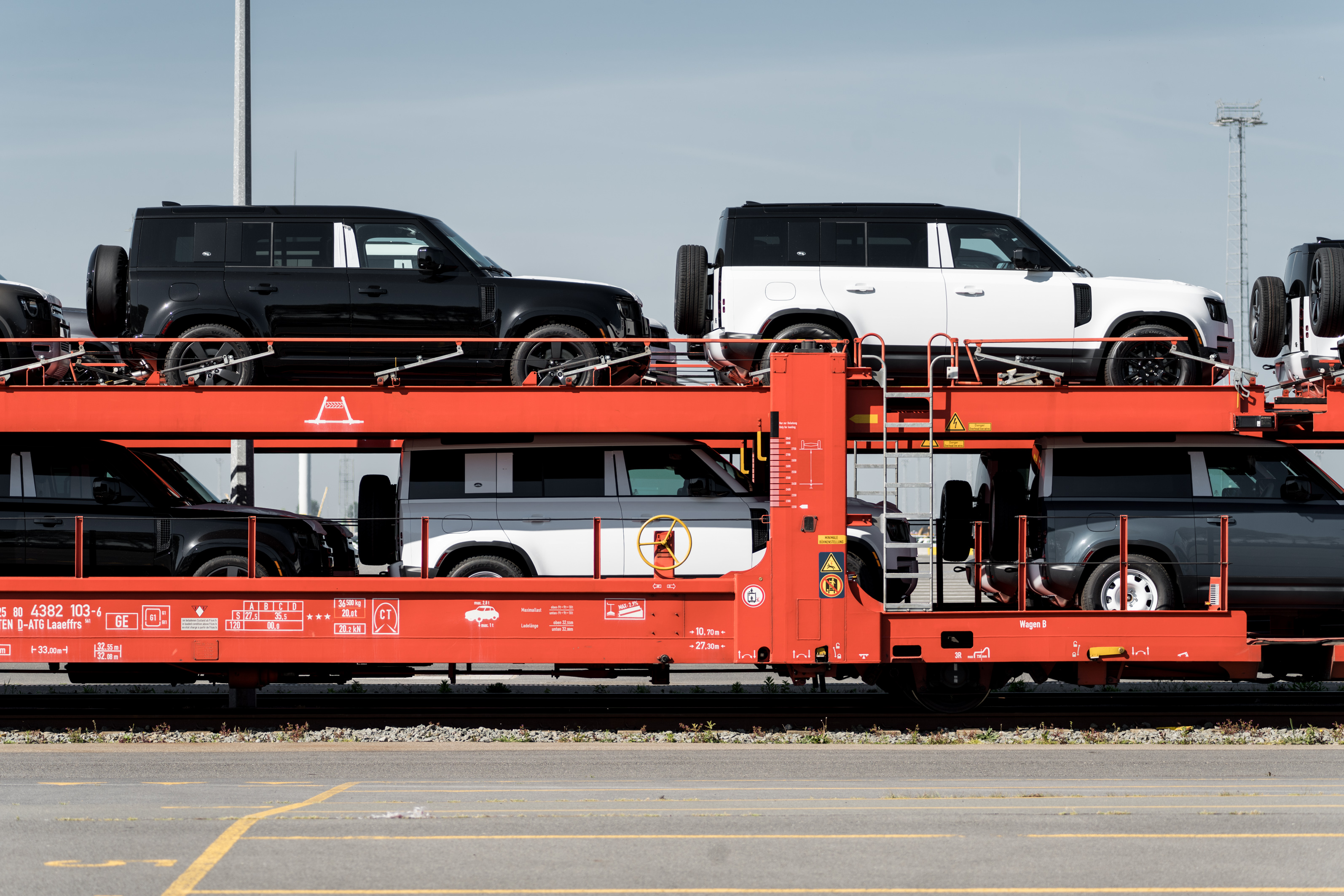
Unlike a standard daily driver, a classic car is an investment, a piece of art, and often a sentimental treasure. Standard shipping methods that prioritize speed and volume can pose risks to delicate paintwork, aging mechanical components, and rare interior materials.
Heritage Logistics focuses on three pillars:
- Extreme Care — White-glove handling from pickup to delivery.
- Environment Control — Minimizing exposure to humidity and temperature fluctuations.
- Specialized Knowledge — Understanding the specific mechanical needs of older engines and electrical systems.
Pre-Export Preparation
Before your classic car enters a container or an air freight pallet, thorough preparation is mandatory to ensure its safety and compliance with international regulations.
1. Detailed Condition Reporting
A “standard” report isn’t enough. We conduct a high-resolution photographic audit, documenting every curve, chrome detail, and interior stitch. This creates a baseline for insurance and peace of mind.
2. Mechanical Status
- Fluids — Ensure there are no active leaks. While some vintage cars “breathe,” excessive oil or fuel leaks can be a safety hazard during transit.
- Battery — Batteries are typically disconnected and terminals taped for safety.
- Fuel Level — For both sea and air freight, fuel must be kept at a minimum level (usually less than a quarter tank, or strictly regulated for air freight).
3. Professional Cleaning
Many destination countries (like Australia or the USA) have strict quarantine rules. We recommend a deep professional steam clean of the undercarriage to remove any UAE desert sand or organic material that could lead to delays or fines at customs.
Pro Tip: If your classic car has a fabric or leather interior, request a humidity-controlled environment report from your shipping provider. Salt air on a month-long sea voyage can cause irreversible damage to untreated leather and fabric surfaces.
Documentation for Classic Car Exports

Classic car export documentation in Dubai involves a few extra hurdles compared to modern vehicles:
- RTA Export Certificate — The primary document for any vehicle leaving the UAE.
- Original Title / Registration — Essential for proving the vehicle’s age and historical status.
- Historic Status Verification — If you are shipping to a country with “Historic Vehicle” tax benefits (like the UK or certain EU nations), you may need specific evidence of the car’s originality and age to qualify for reduced import duties.
- Customs Valuation — An accurate, professional valuation is necessary for insurance and customs declarations at the destination.
Important: Undervaluing a classic car on customs documents can backfire badly. If a claim arises, your insurance payout will be capped at the declared value — not what the car is actually worth. Always declare the full appraised value.
Shipping Methods
Enclosed Container Shipping (Recommended)

For most classic cars, a dedicated 20ft enclosed container is the standard. This protects the vehicle from salt, moisture, and physical contact. At Phoenix F&H, we use specialized lashing and wooden blocking to ensure the suspension isn’t under undue stress while keeping the car completely stationary.
Air Freight (The Elite Choice)
When time is of the essence or the vehicle’s value exceeds a certain threshold, air freight from Dubai International (DXB) is the preferred method. It minimizes the time spent in transit and provides the most stable environment possible.
Insurance: Agreed Value Coverage
Standard “Total Loss” insurance is rarely sufficient for classic cars. We recommend Agreed Value Insurance, which ensures that in the unlikely event of a claim, you are compensated based on a pre-determined professional valuation rather than a generic market average.
Key Difference: Standard marine insurance might value your 1967 Porsche 911S at scrap-metal prices. Agreed Value insurance locks in the appraised collector value — often 10x to 50x higher — giving you real protection.
Trusting the Experts
Exporting a classic car from Dubai requires more than just a truck and a ship. It requires a logistics partner who understands the soul of a vintage machine. At Phoenix F&H, we treat every classic car as if it were our own, ensuring that your automotive heritage arrives at its destination in the same condition it left the desert.
Are you ready to export your classic? Get a specialized quote today and experience the difference of professional heritage logistics.
Classic Car Shipping FAQ
Q: Does my car need to be running to be exported?
A: Not necessarily. We can handle non-runners using specialized winches and loading equipment, though it must be disclosed during the booking process.
Q: Can I ship spare parts with my classic car?
A: Yes — when using a dedicated container, you can typically ship organized spare parts alongside the vehicle.
Q: How long does it take to ship a car from Dubai to Europe?
A: Transit times vary, but typically range from 25 to 45 days depending on the specific port and the shipping schedule.